Starting Tuition Fees
MBBS In Russia 2026-27
Study MBBS in Russia
Explore MBBS in Russia for Indian students with university comparisons, indicative fees, eligibility guidance, admission steps, documents, language pathways, and counselling support.
City and Province
Moscow, Russia
Admission Session
2026-27
Why Choose Nile Education for Russia?
2014
Founded
30+
Countries We Offer
25+
Expert Counsellors
75+
University Options
3000+
Students Guided
MBBS in Russia - Introduction
Many aspiring doctors dream of studying medicine, but competition for medical seats in India can make admission challenging. As a result, an increasing number of Indian students explore MBBS abroad options, with Russia remaining a frequently researched destination.
India and Russia have a long-standing relationship, and students have travelled to Russia for medical studies for decades. Before choosing any university, students should evaluate the official curriculum, complete course duration, internship arrangement, medium of instruction, local licence eligibility, fees, hostel facilities, and compliance with the rules applicable for registration in India.
Key Details About Study MBBS in Russia 2026-27
| Particular | Details |
|---|---|
| Recognition | Verify university and course compliance with NMC FMGL Regulations, 2021 |
| Eligibility | Physics, Chemistry, Biology, English, and NEET qualification as applicable |
| Course Duration | Minimum 54 months of study plus the required internship or clinical training |
| NEET | Mandatory for Indian students seeking admission abroad after May 2018 |
| IELTS / TOEFL | Usually not required; confirm the selected university policy |
| Medium of Teaching | Confirm English-medium delivery for the complete course before admission |
MBBS in Russia for Indian Students
MBBS in Russia is considered by Indian students seeking medical education abroad at a comparatively manageable cost. Russian medical universities may provide teaching hospitals, laboratories, libraries, hostel options, and English-medium pathways for international students.
The National Medical Commission does not endorse a list of foreign medical universities. Indian applicants should confirm that the selected university and programme satisfy the current NMC Foreign Medical Graduate Licentiate Regulations, including course duration, English-medium instruction, required subjects, clinical training, internship, and eligibility for a local licence to practise in the country where the qualification is awarded.
Why Prefer Russia for MBBS?
Russia can be attractive for students comparing affordability, international exposure, and medical education options. Review each point alongside the selected university's official documents.
Affordability
Tuition fees can be lower than many private medical college options in India. Compare the complete six-year cost, hostel fee, living expenses, insurance, and currency movement before applying.
International Exposure
Students can study in a multicultural environment and gain clinical exposure in a different healthcare system.
English-Medium Options
Some universities offer English-medium medical programmes for international students. Confirm the medium for every year, including clinical training.
Infrastructure
Several Russian universities provide laboratories, teaching hospitals, libraries, and clinical learning facilities.
Admission Process
University admission is generally based on academic eligibility and documentation. Indian students must still qualify NEET where required.
Living Costs
Daily expenses may be manageable outside the largest cities. Create a budget for accommodation, food, transport, winter clothing, and annual travel.
Student Community
Indian students can find established communities in several university cities, helping with cultural adjustment and daily life.
Top 10 Medical Universities in Russia for Indian Students
These commonly researched universities are provided as a comparison starting point. Rankings, fees, recognition, and admission rules can change. Verify every detail directly with the university and review current NMC advisories before applying.
University 1
Kazan Federal University
University 1
Kazan Federal University
Established in 1804, Kazan Federal University is one of Russia's oldest multidisciplinary universities and is frequently shortlisted for medical science, research, and international education. The university is known for modern laboratories, a large international student community, and English-medium options for selected programmes. International applicants should verify the current medical programme, teaching medium, fee notice, internship structure, and FMGL alignment directly with the university.
Kazan, RussiaUSD 5,000-7,000 per year
University 2
Bashkir State Medical University
University 2
Bashkir State Medical University
Bashkir State Medical University is a major medical university in Ufa and has a long history of medical education since 1932. It is commonly researched by international students for general medicine and related health-science programmes. Confirm the current English-medium pathway, clinical training, fee notice, and hostel availability before applying.
Ufa, RussiaApproximately RUB 490,000 per year
University 3
Volgograd State Medical University
University 3
Volgograd State Medical University
Volgograd State Medical University offers medical education in Volgograd and is known for hospital-based training, experienced faculty, and international student admissions. Applicants should obtain the current curriculum, internship details, teaching-medium confirmation, and official fee schedule.
Volgograd, RussiaConfirm the latest official fee notice
University 4
Crimea Federal University
University 4
Crimea Federal University
Crimea Federal University is frequently considered by international applicants and is associated with medical education, laboratory facilities, and clinical learning opportunities. Students should carefully review current travel advisories, recognition, course delivery, visa feasibility, and FMGL compliance before considering admission.
Simferopol, RussiaConfirm directly with the university
University 5
Orel State University
University 5
Orel State University
Orel State University is a multidisciplinary institution offering medical education and a wide range of higher-education programmes. It is often discussed by students comparing Russian medical universities. Verify course language, clinical exposure, internship format, local licence eligibility, and the current fee schedule.
Oryol, RussiaConfirm the latest official fee notice
University 6
Pirogov Russian National Research Medical University
University 6
Pirogov Russian National Research Medical University
Pirogov Russian National Research Medical University is based in Moscow and has a long medical education history dating back to 1906. It is widely known for medical training and research, including a historic pediatric faculty. International students should confirm the available programme, medium, official fee, and admission requirements.
Moscow, RussiaConfirm the latest official fee notice
University 7
Pavlov First Saint Petersburg State Medical University
University 7
Pavlov First Saint Petersburg State Medical University
Pavlov First Saint Petersburg State Medical University is a prominent medical institution in Saint Petersburg and is associated with medical science, clinical education, and healthcare training. Confirm the international admission pathway, English-medium availability, curriculum, internship, and fee structure.
Saint Petersburg, RussiaConfirm the latest official fee notice
University 8
Kazan State Medical University
University 8
Kazan State Medical University
Kazan State Medical University is a state medical institution located in Kazan and has been a long-running destination for international medical students, including Indian graduates. Students should verify the current English-medium course, clinical training, local language expectations, hostel fee, and tuition fee.
Kazan, RussiaApproximately RUB 475,000 per year
University 9
Orenburg State Medical University
University 9
Orenburg State Medical University
Orenburg State Medical University was established in 1944 and is a commonly researched option among Indian applicants for general medicine. Confirm the official curriculum, medium, internship, hostel arrangement, and current fee notice before admission.
Orenburg, RussiaConfirm the latest official fee notice
University 10
Altai State Medical University
University 10
Altai State Medical University
Altai State Medical University is located in Barnaul in the West Siberian region and has served the regional healthcare system for decades. International applicants should verify the latest programme structure, teaching medium, clinical training, fee schedule, and hostel availability.
Barnaul, RussiaConfirm the latest official fee notice
Practice in India After MBBS in Russia
Students planning to practise medicine in India after completing a foreign medical qualification should follow the current NMC rules and the applicable screening or registration pathway.
NMC guidance states that Indian citizens and Overseas Citizens of India who obtain a primary medical qualification outside India must fulfil the applicable eligibility criteria and qualify the prescribed screening test for registration in India, unless an applicable exemption applies. Regulations and examination pathways can change, so students should check the latest official notices before admission and again before registration.
Required Documents for MBBS in Russia 2026-27
Prepare documents early and confirm the selected university and visa checklist before submission.
- Class X and XII marksheets with the required subjects and applicable marks
- Valid NEET scorecard for Indian students where required
- Passport with sufficient validity for admission and visa processing
- Recent passport-size photographs matching university and visa specifications
- Admission or offer letter issued by the selected university
- Medical fitness certificate and required medical test reports
- Birth certificate or other accepted proof of age
- Student visa documents, including the university invitation where applicable
- Migration certificate or other academic documents requested by the institution
Language Medium for Medical Courses in Russia
The teaching language can vary by university and programme. Indian students should confirm the complete year-by-year delivery model before admission.
English-Medium MBBS in Russia
Some Russian universities offer medical programmes in English for international students. Confirm in writing that teaching, examinations, clinical training, and internship arrangements satisfy the requirements applicable to you. Russian language learning remains valuable for patient interaction.
- Confirm English-medium delivery for the complete course
- Review clinical communication and Russian language training
- Verify internship structure and local licence eligibility
- Suitable for international applicants seeking an English-medium pathway
Bilingual Medical Programmes
Some programmes use English during initial years and more Russian during clinical years. This can support patient communication, but Indian applicants should check whether the selected pathway satisfies NMC FMGL requirements before admission.
- English and Russian may both be used during the programme
- Clinical communication may require stronger Russian proficiency
- Obtain a written year-by-year medium-of-instruction explanation
- Verify FMGL compliance before paying any admission fee
Russian-Medium Medical Programmes
Russian-medium programmes generally require intensive language preparation. Indian students planning to practise in India should carefully check the current NMC rules before selecting this pathway.
- Russian language proficiency is required
- Often selected by students planning to practise locally
- May involve a preparatory language course
- Check regulatory implications before admission
| Medium | Universities Commonly Researched |
|---|---|
| English-medium options | Kazan Federal University, Bashkir State Medical University, Crimea Federal University, Orenburg State Medical University, Perm State Medical University, Far Eastern Federal University, and RUDN University are commonly researched. Students should still confirm year-by-year English-medium delivery in writing. |
| Bilingual options | Kazan State Medical University, Ryazan State Medical University, Voronezh State Medical University, Ulyanovsk State University, and Chuvash State University are commonly discussed for English plus Russian pathways. Verify how clinical-year teaching and patient interaction are handled. |
| Russian-medium options | Saint Petersburg State Medical University, Novosibirsk State University, and Siberian State Medical University are examples students may encounter when researching Russian-medium medical education. This route usually requires stronger Russian-language preparation. |
Medical Courses Available in Russia
| Course | Indicative Duration |
|---|---|
| General Medicine / MBBS-equivalent programme | Typically 6 years; verify the selected university structure |
| Dentistry | Typically 5 years |
| Pharmacy | Typically 4 years |
| Nursing | Typically 4 years |
MBBS Course Duration in Russia
The commonly advertised programme length is six years, but Indian students should verify the selected course against current NMC FMGL requirements. NMC FAQs state a minimum course duration of fifty-four months and additional internship requirements under the applicable regulation.
Confirm academic study, practical training, clinical clerkship, internship location, medium of instruction, and local licence eligibility directly with the selected university before admission.
Russia MBBS Intake 2026-27
Many universities begin their admission cycle for the main intake around September, while timelines differ by institution. Confirm application deadlines, visa processing time, invitation-letter requirements, and enrolment dates with the selected university.
Class Strength for MBBS in Russia
English-Medium Groups
Often 15-30 students per group, depending on the university and course delivery.
Bilingual Groups
Often 25-40 students per batch, with smaller sub-groups for laboratory and hospital training.
Russian-Medium Lectures
Lecture groups can be larger, while practical learning is usually conducted in smaller sub-groups.
Travel Expenses for Students Studying MBBS in Russia
Students should budget for flights, local transport, insurance, airport transfers, a SIM card, and relocation expenses. Costs vary by city, travel season, airline, and exchange rate.
Moscow and Saint Petersburg can be more expensive than smaller cities. Public transport is often the most economical way to travel locally.
Flights from India
One-way flights from major Indian cities to Moscow or Saint Petersburg are often budgeted around INR 30,000-45,000. Round-trip travel for annual vacations or emergencies is commonly estimated at INR 60,000-90,000, depending on season and airline.
Local transport
Metro, bus, and tram networks are usually the most economical local travel options. Monthly public-transport passes may be available at student rates in some cities, while short taxi rides can cost more.
City-wise travel cost
Moscow and Saint Petersburg are generally more expensive than smaller cities such as Orenburg, Belgorod, or Kazan. Students in smaller cities may find daily commuting more affordable.
Insurance and relocation
Students should include visa-linked travel insurance, airport transfer, SIM card setup, and initial local-transport expenses in the first-year budget.
| Expense | Indicative Cost |
|---|---|
| Annual round-trip flights | INR 60,000-90,000 |
| Local transport | INR 6,000-12,000 per year |
| Travel insurance | INR 3,000-6,000 per year |
| Miscellaneous travel | INR 5,000-10,000 per year |
| Indicative annual total | INR 74,000-1,18,000 |
Advantages and Disadvantages of Pursuing MBBS in Russia
Advantages
- Potentially lower tuition fees than many private medical college options in India
- International exposure and a multicultural student environment
- English-medium pathways available at selected universities
- Clinical learning opportunities in university hospitals
- No capitation fee or donation in the standard university admission process
Points to Consider
- Russian language learning is important for daily life and clinical communication
- Long winters and climate adjustment can be challenging
- Students need time to adapt to a different culture and education system
- Distance from home increases travel time and annual travel costs
- Students must carefully verify FMGL compliance and the pathway for registration in India
MBBS in Russia vs MBBS in India
Duration and curriculum
Russian medical programmes are commonly advertised as six-year courses, while Indian MBBS duration follows Indian regulatory requirements. Both pathways cover core medical subjects and clinical rotations, but sequencing and internship rules differ.
Cost and competition
Russian universities may have lower tuition than many private Indian medical colleges, while Indian government seats are highly competitive and comparatively limited.
Clinical exposure
Students in both countries receive hospital exposure, but Russia-bound students should verify the language used during clinical training and the exact internship arrangement.
| Factor | MBBS in Russia | MBBS in India |
|---|---|---|
| Annual Fee | Often INR 2-6 lakh depending on university and currency movement | Government and private college fees vary widely |
| Duration | Verify at least 54 months of study plus the required internship arrangement | Course duration follows Indian regulatory requirements |
| Admission | University eligibility and documentation; NEET required for Indian students where applicable | NEET-based counselling and applicable quota rules |
| Class Size | Varies by university and medium | Varies by college |
| Clinical Exposure | University hospital exposure; verify language and internship structure | Teaching hospital and clinical rotations as per college curriculum |
Fees for Studying MBBS in Russia 2026-27
The cost of MBBS in Russia is driven mainly by tuition, hostel charges, insurance, food, travel, documentation, and personal living expenses. Many students compare Russia because public universities may offer comparatively lower tuition than private medical colleges in India or some Western destinations.
Students should plan the complete six-year budget instead of comparing only first-year tuition. Confirm whether hostel, medical insurance, visa extension, food, clinical training charges, and other university fees are included or billed separately.
The table below is an indicative comparison based on the supplied reference content. Currency movement and university notices can change the payable amount. Confirm the current official fee schedule, hostel fee, additional charges, and refund policy directly with the institution.
| University Name | Location | Indicative Tuition | Indicative Hostel | Action |
|---|---|---|---|---|
| Kazan Federal University | Kazan | RUB 594,000 | RUB 18,000 | |
| Kazan State Medical University | Kazan | RUB 650,000 | RUB 90,000 | |
| Far Eastern Federal University | Vladivostok | RUB 500,000 | RUB 65,000 | |
| Samara State Medical University | Samara | RUB 450,000 | RUB 32,000 | |
| Yaroslavl State Medical University | Yaroslavl | RUB 350,000 | RUB 90,000 | |
| Chechen State University | Grozny | RUB 300,000 | RUB 82,200 | |
| Kabardino-Balkarian State University | Nalchik | RUB 324,000 | RUB 15,000 | |
| Altai State Medical University | Barnaul | USD 5,000 | USD 500 + USD 1,200 Mess | |
| Crimea Federal University | Simferopol | RUB 330,000 | RUB 20,000 | |
| Bashkir State Medical University | Ufa | RUB 405,000 | RUB 30,000 | |
| Kemerovo State Medical University | Kemerovo | RUB 335,000 | RUB 100,000 | |
| Ulyanovsk State Medical University | Ulyanovsk | RUB 352,000 | RUB 70,000 | |
| Tver State Medical University | Tver | RUB 430,000 | RUB 100,000 | |
| Immanuel Kant Baltic Federal University | Kaliningrad | RUB 346,360 | RUB 20,000 | |
| Izhevsk State Medical Academy | Izhevsk | USD 4,000 | USD 400 + USD 1,200 Mess | |
| Kirov State Medical University | Kirov | RUB 360,000 | RUB 80,000 | |
| Kuban State Medical University | Krasnodar | RUB 500,000 | RUB 18,000 | |
| Kursk State Medical University | Kursk | USD 6,200 | USD 600 - 680 | |
| Mari State University | Yoshkar-Ola | USD 4,000 | USD 500 + USD 1,200 Mess | |
| Pirogov Russian National Research Medical University | Moscow | USD 7,700 | USD 300 + USD 1,200 Mess | |
| Ogarev Mordovia State University | Saransk | USD 4,500 | USD 400 + USD 1,200 Mess | |
| South Ural State Medical University | Chelyabinsk | USD 3,025 | USD 250 + USD 1,200 Mess | |
| North Ossetian State Medical Academy | Vladikavkaz | RUB 360,000 | RUB 45,000 | |
| Northern State Medical University | Arkhangelsk | RUB 350,000 | RUB 30,000 | |
| Novosibirsk State University | Novosibirsk | USD 6,500 | USD 200 | |
| Omsk State Medical University | Omsk | RUB 370,000 | RUB 40,000 | |
| Orel State University | Oryol | RUB 325,100 | RUB 15,000 | |
| Orenburg State Medical University | Orenburg | USD 6,500 | USD 1,200 (Hostel + Mess) | |
| Pacific State Medical University | Vladivostok | USD 2,900 | USD 300 + USD 1,200 Mess | |
| Penza State University | Penza | USD 3,700 | USD 500 + USD 1,200 Mess | |
| Perm State Medical University | Perm | USD 6,500 | USD 1,200 (Hostel + Mess) | |
| Privolzhsky Research Medical University | Nizhny Novgorod | 4,60,000 RUB | 80,000 RUB | |
| Pskov State University | Pskov | USD 4,500 | USD 1,200 (Hostel + Mess) | |
| Rostov State Medical University | Rostov-on-Don | 3,75,000 RUB | 36,000 RUB | |
| RUDN University | Moscow | USD 8,800 | USD 720 | |
| Petrozavodsk State University | Petrozavodsk | USD 3,300 | USD 200 + USD 1,200 Mess | |
| Ryazan State Medical University | Ryazan | USD 4,000 | USD 500 + USD 1,200 Mess | |
| Saratov State Medical University | Saratov | 5,21,000 RUB | 30,000 RUB | |
| Siberian State Medical University | Tomsk | 4,10,000 RUB | 80,000 RUB | |
| Smolensk State Medical University | Smolensk | USD 5,500 | USD 750 + USD 1,200 Mess | |
| Pavlov First Saint Petersburg State Medical University | Saint Petersburg | RUB 320,000 | RUB 35,000 | |
| Tambov State University | Tambov | 4,10,000 RUB | 30,000 RUB | |
| Tula State University | Tula | USD 4,400 | USD 1,200 (Hostel + Mess) | |
| Ulyanovsk State University | Ulyanovsk | 3,52,000 RUB | 70,000 RUB | |
| Ural State Medical University | Yekaterinburg | 3,60,000 RUB | 16,000 RUB | |
| Volgograd State Medical University | Volgograd | 4,80,000 RUB | 60,000 RUB | |
| Voronezh State Medical University | Voronezh | 4,30,000 RUB | 45,000 RUB |
Cost of Living for MBBS Students in Russia
Living costs vary by city and personal lifestyle. Build a buffer into your budget for currency changes, winter clothing, medical insurance, and unexpected expenses.
| Particular | Average Cost per Month |
|---|---|
| Accommodation | INR 12,300-16,400 |
| Food | INR 8,200-9,020 |
| Transport | INR 820-1,230 |
MBBS Admission in Russia for Indian Students
Eligibility Review
Check your Class XII subjects and marks, NEET qualification, passport validity, and the selected university's admission conditions.
University Selection
Compare the official curriculum, medium of instruction, internship format, local licence eligibility, clinical exposure, fee schedule, and hostel details.
Application
Submit the application form with academic documents, passport details, photographs, and NEET scorecard where required.
Admission Letter
Review the formal admission or offer letter issued by the selected university.
Visa Process
Apply for the student visa with the university invitation, passport, admission documents, and required medical reports.
Travel and Enrolment
Plan travel, university registration, hostel check-in, fee payment, and orientation.
Eligibility Criteria to Apply for MBBS in Russia 2026-27
- Complete Class XII with Physics, Chemistry, Biology, and English as applicable.
- Meet the applicable aggregate marks requirement for your category.
- Qualify NEET-UG where required for Indian students seeking medical education abroad.
- Meet the age and document requirements applicable to the admission year.
- Verify the selected programme against current NMC FMGL requirements before admission.
Scholarships Available for MBBS in Russia
Russian Government Scholarship Routes
Availability, eligibility, coverage, and application timelines vary. Confirm the current official scholarship route before applying.
University-Specific Scholarships
Some universities may offer merit-based or limited financial support. Check the institution's official scholarship page.
External Scholarships
Eligibility depends on nationality and programme. Review the scholarship provider's official terms carefully.
MBBS Syllabus in Russia 2026-27
Curriculum sequencing differs by university. Use this as a general outline and request the selected university's official curriculum before admission.
| Study Year | Typical Subjects and Training |
|---|---|
| First Year | Foundational sciences such as biology, chemistry, anatomy, histology, public health, language learning, and introductory clinical preparation. |
| Second Year | Physiology, biochemistry, immunology, hygiene, psychology, ethics, medical law, and continued language preparation. |
| Third Year | Microbiology, pathology, pharmacology, radiology, internal medicine, topographical anatomy, and operative surgery foundations. |
| Fourth Year | Clinical rotations and hospital-based learning across medicine, surgery, obstetrics and gynecology, neurology, rehabilitation, urology, pediatrics, and related subjects. |
| Fifth Year | Advanced clinical learning including ENT, ophthalmology, psychiatry, orthopedics, infectious disease, outpatient care, and related subjects. |
| Sixth Year | Senior clinical training in oncology, anaesthesiology, intensive care, general medical practice, forensic medicine, epidemiology, and related areas. |
Career Opportunities After MBBS in Russia
Medical graduates may explore clinical roles, postgraduate study, research, academics, healthcare administration, public health, or related opportunities after completing the licensing and registration requirements applicable in the country where they wish to practise.
Students planning to return to India should understand the current NMC registration pathway before admission and maintain complete academic, clinical, and internship records throughout the programme.
- Hospital, clinic, or health-centre roles after completing the required licensing and registration pathway
- Postgraduate medical study or specialization in the country where eligibility requirements are met
- Research roles in universities, laboratories, pharmaceutical organizations, or public-health institutions
- Teaching, academics, healthcare administration, public health, or policy-oriented roles
- Private practice or healthcare entrepreneurship where legally permitted after registration
Campus Life for Medical Students in Russia
- Multicultural campus communities with international students from several countries
- Hostel options that vary by university and availability
- Indian food or mess options in selected universities and cities
- Student activities, sports, cultural programmes, and festival celebrations
- Access to public transport, shops, and city services depending on location
POPULAR DESTINATIONS
Popular MBBS Destination For Indian Students
Explore top NMC & WHO-recognized medical destinations worldwide with affordable fees, English-medium curriculum, and globally valid degrees.

Russia
Top ChoiceMBBS in Russia
World-renowned government medical universities, top global QS rankings, 100% English medium.
Fees: From ₹18 Lakhs6 Years
Explore Russia Universities

Bangladesh
Similar to IndiaMBBS in Bangladesh
Curriculum matching Indian MBBS syllabus, highest FMGE passing percentage, familiar disease spectrum.
Fees: From ₹28 Lakhs5 Years
Explore Bangladesh Universities

Uzbekistan
High DemandMBBS in Uzbekistan
Fastest-growing medical destination, modern simulation clinics, affordable living cost.
Fees: From ₹16 Lakhs5+1 Years
Explore Uzbekistan Universities

Egypt
Clinical GiantMBBS in Egypt
Huge government university hospitals with thousands of beds, massive clinical patient exposure.
Fees: From ₹22 Lakhs5 Years
Explore Egypt Universities
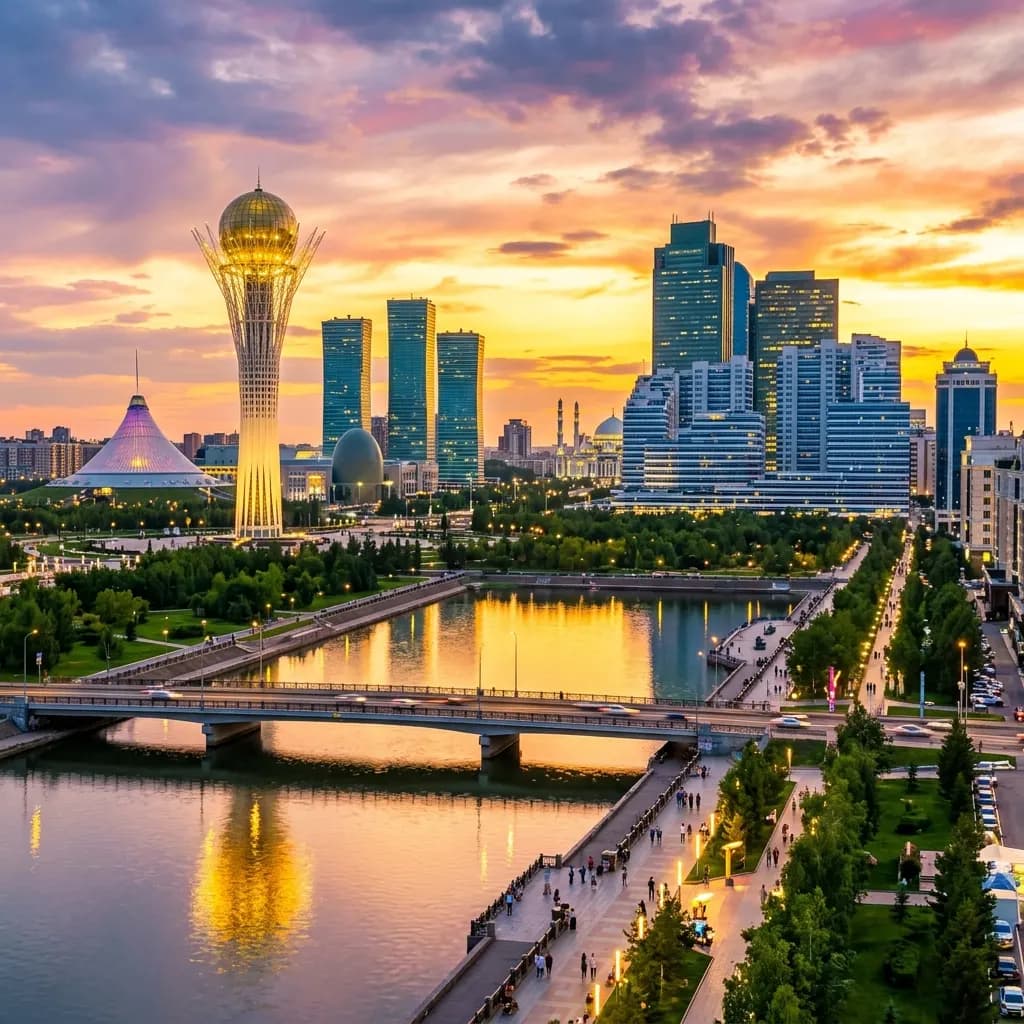
Kazakhstan
FeaturedMBBS in Kazakhstan
Top QS ranked national universities, ~3.5 hr direct flight from Delhi, safe European-style cities.
Fees: From ₹18 Lakhs5+1 Years
Explore Kazakhstan Universities

Kyrgyzstan
Most AffordableMBBS in Kyrgyzstan
Lowest tuition fees in Asia, high FMGE success rate, authentic Indian dining on campus.
Fees: From ₹14 Lakhs5+1 Years
Explore Kyrgyzstan Universities

Georgia
European StandardMBBS in Georgia
High quality European medical education, USMLE/PLAB preparation tracks, exceptionally safe country.
Fees: From ₹25 Lakhs6 Years
Explore Georgia Universities

Nepal
No Visa RequiredMBBS in Nepal
Neighboring country with identical pattern, Hindi & English communication, recognized by NMC.
Fees: From ₹45 Lakhs5.5 Years
Explore Nepal Universities

China
Top InfrastructureMBBS in China
MOE-listed English medium universities, world-class laboratory technology and simulation training.
Fees: From ₹20 Lakhs5+1 Years
Explore China Universities
Frequently Asked Questions About MBBS in Russia
What is the minimum NEET score required for MBBS admission in Russia in 2026?
Indian students must qualify NEET where applicable. The score requirement and admission conditions can vary by year and university, so confirm the current eligibility rules before applying.
Is it feasible to pursue an MBBS-equivalent medical programme in Russia?
Russia can be considered by students comparing medical education abroad options. Evaluate the selected university's official curriculum, complete duration, internship, English-medium delivery, fees, hostel, clinical exposure, visa feasibility, and compliance with the rules applicable for registration in India.
What are the eligibility requirements for studying MBBS in Russia?
Students generally need Class XII with Physics, Chemistry, Biology, and English as applicable, the required marks for their category, NEET qualification where required, a valid passport, and the documents requested by the selected university.
How much does MBBS in Russia cost?
Costs vary by university, city, exchange rate, hostel, insurance, and living expenses. Starting tuition can be around INR 1.80 lakh per year for selected options, while many universities charge more. Always confirm the current official fee notice and complete six-year budget.
How do I apply for MBBS in Russia?
Review eligibility, shortlist a suitable university, verify the official course and FMGL compliance details, submit documents, receive an admission letter, complete the visa process, and plan travel and enrolment.
Does NMC approve medical universities in Russia?
NMC states that it does not endorse a list of foreign medical institutions or universities. Students should verify that the selected institution and course satisfy the current NMC rules applicable to foreign medical graduates before admission.
Start Your MBBS in Russia Journey with Nile Education
Compare universities carefully and receive personalised admission guidance for the 2026-27 session.
Apply for 2026
Get expert guidance for your medical career in Russia.